








Menachot 107

Share this shiur:
This week’s learning is sponsored by Audrey Mondrow in loving memory of Bessie “nanny“ Mauskopf, Bashya Leah bat Tzivia Chaya and Meir Yehudah. “A kind and gentle mother, grandmother and great-grandmother. She embraced Torah learning and the love of Torah. May her מeshama have an Aliya.”
Want to dedicate learning? Get started here:

Summary

The Mishna lists various vows, such as “I vow to bring gold to the Temple” or “I vow to bring wine,” and specifies the exact quantities required to fulfill each obligation. The Gemara then analyzes and clarifies the Mishna’s rulings for every case mentioned.
A debate exists between Rebbi and the Sages regarding the minimum amount of oil required for a vow—specifically, whether it is one log or three. The scholars who preceded Rav Papa suggested that the root of this dispute lies in their hermeneutical methods: whether to derive both a general principle and its details from a single external source, or to derive the principle from one source while drawing the details from the case itself. Rav Papa proposed an alternative theory but ultimately conceded after Rav Huna, son of Rav Natan, cited a braita that definitively refuted his explanation.
Regarding the minimum value for one who vows to bring a specific animal to the Temple, the law stipulates that different species require different minimum expenditures to fulfill the obligation.
Today’s daily daf tools:
This week’s learning is sponsored by Audrey Mondrow in loving memory of Bessie “nanny“ Mauskopf, Bashya Leah bat Tzivia Chaya and Meir Yehudah. “A kind and gentle mother, grandmother and great-grandmother. She embraced Torah learning and the love of Torah. May her מeshama have an Aliya.”
Menachot 107
מוּרְאָה וְנוֹצָה.
the crop and feathers, which are thrown on the ground next to the altar and are not burned.
וְהָאִיכָּא נְסָכִים, לַשִּׁיתִין אָזְלִי.
The Gemara asks: But aren’t there wine libations, which are poured entirely onto the altar? The Gemara answers that the wine is not actually poured onto the altar; it is poured into ducts on the side of the altar and goes down to the drainpipes.
וְהָאִיכָּא מִנְחַת נְסָכִים? כֵּיוָן דְּאִיכָּא מִנְחָה דְּאָכְלִי כֹּהֲנִים מִינַּהּ, לָא פְּסִיקָא לֵיהּ.
The Gemara asks: But isn’t there a meal offering brought with libations, which is entirely burned on the altar? The Gemara answers that when one says: It is incumbent upon me to bring to the altar, his intent is clearly to bring a type of offering that is only sacrificed on the altar. A meal offering brought with libations is a type of meal offering. Therefore, since there are other types of a meal offering from which the priests eat, after a handful has been removed from it and burned, a meal offering brought with libations is not a clear example of an offering that is sacrificed on the altar in its entirety, and certainly was not his intent. Therefore, his intent must have been to bring frankincense.
״הֲרֵי עָלַי זָהָב״ – לֹא יִפְחוֹת מִדִּינַר זָהָב. וְדִלְמָא נְסָכָא? אָמַר רַבִּי אֶלְעָזָר: דְּאָמַר ״מַטְבֵּעַ״. וְדִלְמָא פְּרִיטֵי? אָמַר רַב פָּפָּא: פְּרִיטֵי דְּדַהֲבָא לָא עָבְדִי אִינָשֵׁי.
§ The mishna teaches that one who says: It is incumbent upon me to donate gold to the Temple treasury, must donate no less than a gold dinar. The Gemara challenges: But perhaps his intention in using the word gold is not to a coin at all, but to a small piece [naskha] of gold. Rabbi Elazar said: The case of the baraita is where he said the word coin. The Gemara challenges further: But perhaps his intention is not to a dinar, but to smaller coins, such as perutot. Rav Pappa said: People do not make perutot of gold. Therefore, it is unlikely that this was his intent.
״כֶּסֶף״ – לֹא יִפְחוֹת מִדִּינָר. וְדִלְמָא נְסָכָא? אָמַר רַבִּי אֶלְעָזָר: דְּאָמַר ״מַטְבֵּעַ״, וְדִלְמָא פְּרִיטֵי? אָמַר רַב שֵׁשֶׁת: בְּאַתְרָא דְּלָא סָגוּ פְּרִיטֵי דְכַסְפָּא.
§ The mishna teaches that one who says: It is incumbent upon me to donate silver to the Temple maintenance, must donate no less than the value of a silver dinar. The Gemara challenges: But perhaps his intention in using the word silver is not to a coin at all, but to a small piece of silver. Rabbi Elazar said: The case of the baraita is where he said the word coin. The Gemara challenges further: But perhaps his intention is not to a dinar, but to smaller coins, such as perutot. Rav Pappa said: The halakha of the baraita is stated with regard to a place where silver perutot do not circulate.
״נְחוֹשֶׁת״ – לֹא יִפְחוֹת מִמָּעָה כֶּסֶף. תַּנְיָא: רַבִּי אֱלִיעֶזֶר בֶּן יַעֲקֹב אוֹמֵר – לֹא יִפְחוֹת מִצִּינּוֹרָא קְטַנָּה שֶׁל נְחֹשֶׁת. לְמַאי חַזְיָא? אָמַר אַבָּיֵי: שֶׁמְּחַטְּטִין בָּהּ פְּתִילוֹת, וּמְקַנְּחִין בָּהּ נֵרוֹת.
§ The mishna teaches that one who says: It is incumbent upon me to donate copper to the Temple maintenance, must donate no less than the value of a silver ma’a. It is taught in a baraita that Rabbi Eliezer ben Ya’akov says: He must donate no less than the amount needed to forge a small copper hook. The Gemara asks: For what use is that suitable in the Temple? Abaye said: They scrape the wicks from the Candelabrum with it and clean the lamps of the Candelabrum with it.
בַּרְזֶל, תַּנְיָא, אֲחֵרִים אוֹמְרִים: לֹא יִפְחוֹת מִכָּלְיָה עוֹרֵב, וְכַמָּה? אָמַר רַב יוֹסֵף: אַמָּה עַל אַמָּה.
The mishna discusses pledges of gold, silver, and copper. What is the halakha if one says: It is incumbent upon me to donate iron? It is taught in a baraita that others say: He must donate no less than the amount that can be made into a base and spike designed to eliminate the ravens [mikkalya orev]. The Gemara asks: And how much is that? Rav Yosef said: One cubit in width by one cubit in length.
אִיכָּא דְאָמְרִי: לֹא יִפְחוֹת מֵאַמָּה עַל אַמָּה. לְמַאי חַזְיָא? אָמַר רַב יוֹסֵף: לְכָלְיָה עוֹרֵב.
There are those who say another version of this baraita and the subsequent explanation: One who pledges to donate iron must donate no less than one cubit in width by one cubit in length. The Gemara asks: For what is this amount of iron suitable? Rav Yosef said: It is suitable for a base and spike designed to eliminate the ravens.
מַתְנִי׳ ״הֲרֵי עָלַי יַיִן״ – לֹא יִפְחוֹת מִשְּׁלֹשָׁה לוּגִּין, ״שֶׁמֶן״ – לֹא יִפְחוֹת מִלּוֹג, רַבִּי אוֹמֵר: שְׁלֹשָׁה לוּגִּין.
MISHNA: One who says: It is incumbent upon me to bring a libation of wine, must bring no less than three log, as that is the minimum amount of wine brought as a libation accompanying an animal offering. One who says: It is incumbent upon me to bring oil, must bring no less than a log, as the smallest meal offering includes one log of oil. Rabbi Yehuda HaNasi says: He must bring no less than three log, as that is the amount of oil in the meal offering that accompanies the sacrifice of a lamb, which is the smallest amount in any of the meal offerings that accompany the sacrifice of an animal.
״פֵּירַשְׁתִּי, וְאֵינִי יוֹדֵעַ מָה פֵּירַשְׁתִּי״ – יָבִיא כְּיוֹם מְרוּבֶּה.
One who says: I specified how many log I vowed to bring but I do not know what amount I specified, must bring an amount of oil equivalent to the amount brought on the day that the largest amount of oil is sacrificed in the Temple.
גְּמָ׳ תָּנוּ רַבָּנַן: ״אֶזְרָח״ – מְלַמֵּד שֶׁמִּתְנַדְּבִין יַיִן, וְכַמָּה? שְׁלֹשָׁה לוּגִּין.
GEMARA: The Torah states with regard to libations: “All that are native born shall do these things in this manner, in presenting an offering made by fire, of a pleasing aroma to the Lord” (Numbers 15:13). As this verse is superfluous, the various terms in it are used to derive halakhot. The term “native born” teaches that one may pledge libations independently, even when they are not sacrificed together with an offering. And how much is the minimum size that is offered? Three log, which is the smallest measurement of a libation in the Torah and is offered with a lamb.
וּמִנַּיִן שֶׁאִם רָצָה לְהוֹסִיף יוֹסִיף? תַּלְמוּד לוֹמַר ״יִהְיֶה״. יָכוֹל יִפְחוֹת? תַּלְמוּד לוֹמַר ״כָּכָה״.
And from where is it derived that if one desires to add to this amount, he may add to it? The verse states with regard to libations associated with the additional offerings for the New Moon: “And their libations: Half a hin of wine shall be for the bull, and the third part of a hin for the ram, and the fourth part of a hin for the lamb (Numbers 28:14). From the superfluous “shall be” one may understand that there are other amounts of wine that may be brought as independent libations. One might have thought that he can decrease the amount of wine in a libation to less than three log. Therefore, the verse states: “All that are native born shall do these things, in this manner” (Numbers 15:13), i.e., one may not bring less than three log of wine.
שֶׁמֶן – לֹא יִפְחוֹת מִן הַלּוֹג, רַבִּי אוֹמֵר: שְׁלֹשָׁה לוּגִּין. בְּמַאי קָא מִיפַּלְגִי?
The mishna teaches that if one said: It is incumbent upon me to bring oil, he must bring no less than a log, as the smallest meal offering includes a log of oil. Rabbi Yehuda HaNasi says: He must bring no less than three log. The Gemara asks: With regard to what principle do they disagree?
אַמְרוּהָ רַבָּנַן קַמֵּיהּ דְּרַב פָּפָּא: בְּדוּן מִינַּהּ וּמִינַּהּ, בְּדוּן מִינַּהּ וְאוֹקֵים בְּאַתְרַהּ – קָא מִיפַּלְגִי.
The Sages said before Rav Pappa: The Rabbis and Rabbi Yehuda HaNasi disagree with regard to the proper method of logical derivation when deriving the halakha with regard to one matter from the halakha with regard to another matter. One opinion holds that the proper method is to infer from it, and again from it, i.e., equate the two cases in all aspects, while the other holds that the comparison extends only to one specific issue derived from the primary case, in accordance with the principle: Infer from it but interpret the halakha according to its own place, i.e., in all other aspects the cases are not equated.
רַבָּנַן סָבְרִי: דּוּן מִינַּהּ וּמִינַּהּ, מָה מִנְחָה מִתְנַדְּבִין – אַף שֶׁמֶן נָמֵי מִתְנַדְּבִין, וּמִינַּהּ: מָה מִנְחָה בְּלוֹג – אַף שֶׁמֶן בְּלוֹג.
The Sages explained: The Rabbis hold by the principle: Infer from it, and again from it. The Gemara explains the application of this principle: Just as a meal offering is contributed, so too oil is contributed, as inferred from the verse addressing the meal offering. And again one infers from this source: Just as a meal offering requires a log of oil, so too here, an offering of oil alone must be a log of oil.
וְרַבִּי סָבַר: דּוּן מִינַּהּ וְאוֹקֵי בְּאַתְרַהּ, מָה מִנְחָה מִתְנַדְּבִין, אַף שֶׁמֶן נָמֵי מִתְנַדְּבִין, וְאוֹקֵי בְּאַתְרַהּ כִּנְסָכִים, מָה נְסָכִים שְׁלֹשֶׁת לוּגִּין, אַף שֶׁמֶן נָמֵי שְׁלֹשֶׁת לוּגִּין.
And Rabbi Yehuda HaNasi holds that the proper method is to infer from it but interpret the halakha according to its own place: Just as a meal offering is contributed, so too oil is contributed. But with regard to all other aspects of this halakha, interpret the halakha according to its own place, and its status is like that of libations, which are similar to oil in that they are also poured onto the altar: Just as one contributes libations of three log, so too when one contributes oil, one contributes three log.
אֲמַר לְהוּ רַב פָּפָּא: אִי מִמִּנְחָה גָּמַר לַהּ רַבִּי, דְּכוּלֵּי עָלְמָא לָא פְּלִיגִי דּוּן מִינַּהּ וּמִינַּהּ, אֶלָּא רַבִּי מֵ״אֶזְרָח״ גְּמִיר לַהּ.
Rav Pappa said to the Sages who suggested this interpretation: If Rabbi Yehuda HaNasi derived the source of the gift offering of oil from the verse addressing the meal offering, he would not disagree with the Rabbis, as everyone employs the principle of: Infer from it, and again from it. Rather, Rabbi Yehuda HaNasi derives the gift offering of oil from a verse concerning libations: “All that are native born shall do these things in this manner, in presenting an offering made by fire” (Numbers 15:13). Rabbi Yehuda HaNasi derives from here that just as one may contribute wine libations, so too one may contribute oil. Therefore, Rabbi Yehuda HaNasi compares oil to wine libations: Just as one contributes libations of three log, so too one contributes three log of oil.
אֲמַר לֵיהּ רַב הוּנָא בְּרֵיהּ דְּרַב נָתָן לְרַב פָּפָּא: וּמִי מָצֵית אָמְרַתְּ הָכִי? וְהָתַנְיָא: ״קׇרְבָּן״ – מְלַמֵּד שֶׁמִּתְנַדְּבִין שֶׁמֶן, וְכַמָּה? שְׁלֹשֶׁת לוּגִּין. מַאן שָׁמְעַתְּ לֵיהּ דְּאָמַר שְׁלֹשֶׁת לוּגִּין? רַבִּי, וְקָא מַיְיתֵי לַהּ מִ״קׇּרְבָּן״. אֲמַר לֵיהּ: אִי תַּנְיָא תַּנְיָא.
Rav Huna, son of Rav Natan, said to Rav Pappa: And how can you say that according to Rabbi Yehuda HaNasi the source of the gift offering of oil is not from the meal offering? But isn’t it taught in a baraita with regard to the verse: “And when one brings a meal offering [korban minḥa]” (Leviticus 2:1), that the superfluous word korban teaches that one may contribute oil. And how much must one contribute? Three log. The Gemara explains the question: Who did you hear that says the gift offering of oil is three log? This is the opinion of Rabbi Yehuda HaNasi, and yet he cites the source of the gift offering of oil from the word korban, which is referring to a meal offering. Rav Pappa said to him: If this baraita is taught, it is taught, and I cannot take issue with it.
״פֵּירַשְׁתִּי, וְאֵינִי יוֹדֵעַ מָה פֵּירַשְׁתִּי״ – יָבִיא כְּיוֹם מְרוּבֶּה. תְּנָא: כְּיוֹם טוֹב הָרִאשׁוֹן שֶׁל חַג שֶׁחָל לִהְיוֹת בַּשַּׁבָּת.
The mishna teaches that one who says: I specified how many log I vowed to bring but I do not know what number I specified, must bring an amount of oil equivalent to the amount brought on the day that the largest amount of oil is sacrificed in the Temple. The Sages taught: He must bring an amount of oil equivalent to the amount that is brought on the first day of the Festival, i.e., Sukkot, when it occurs on Shabbat. The offerings brought on that day include the additional offerings for Sukkot and also the additional offerings for Shabbat, and the total amount of oil brought on that day is 140 log.
מַתְנִי׳ ״הֲרֵי עָלַי עוֹלָה״ – יָבִיא כֶּבֶשׂ. רַבִּי אֶלְעָזָר בֶּן עֲזַרְיָה אוֹמֵר: אוֹ תּוֹר אוֹ בֶּן יוֹנָה.
MISHNA: One who says: It is incumbent upon me to bring a burnt offering, must bring a lamb, which is the least expensive land animal sacrificed as an offering. Rabbi Elazar ben Azarya says: He may bring either a dove or a pigeon, as a bird burnt offering.
״פֵּירַשְׁתִּי מִן הַבָּקָר, וְאֵינִי יוֹדֵעַ מָה פֵּירַשְׁתִּי״ – יָבִיא פַּר וְעֵגֶל. ״מִן הַבְּהֵמָה, וְאֵינִי יוֹדֵעַ מָה פֵּירַשְׁתִּי״ – יָבִיא פַּר וְעֵגֶל, אַיִל, שָׂעִיר, גְּדִי וְטָלֶה. ״פֵּירַשְׁתִּי, וְאֵינִי יוֹדֵעַ מָה פֵּירַשְׁתִּי״ –
One who says: I vowed to bring a burnt offering, and I specified that it would be from the herd, but I do not know what animal I specified, must bring a bull and a male calf, as a burnt offering is brought only from male animals. One who says: I vowed to bring a burnt offering and I specified that it would be from the animals but I do not know what animal I specified, must bring a bull and a male calf, a ram, a large male goat, a small male goat, and a male lamb. One who says: I vowed to bring a burnt offering, and I specified what type of burnt offering it would be, but I do not know what I specified,
מוֹסִיף עֲלֵיהֶן תּוֹר וּבֶן יוֹנָה.
adds a dove and a pigeon to the previous list.
״הֲרֵי עָלַי תּוֹדָה וּשְׁלָמִים״ – יָבִיא כֶּבֶשׂ. ״פֵּירַשְׁתִּי מִן בָּקָר, וְאֵינִי יוֹדֵעַ מָה פֵּירַשְׁתִּי״ – יָבִיא פַּר וּפָרָה, עֵגֶל וְעֶגְלָה. ״מִן הַבְּהֵמָה, וְאֵינִי יוֹדֵעַ מָה פֵּירַשְׁתִּי״ – יָבִיא פַּר וּפָרָה, עֵגֶל וְעֶגְלָה, אַיִל וּרְחֵלָה, שָׂעִיר וּשְׂעִירָה, גְּדִי וּגְדִיָּיה, טָלֶה וְטַלְיָיה.
One who says: It is incumbent upon me to bring a thanks offering and a peace offering, must bring a lamb, which is the least expensive land animal sacrificed as an offering. One who says: I vowed to bring a peace offering and I specified that it would be from the herd but I do not know what animal I specified, must bring a bull and a cow, and a male calf and a female calf. One who says: I vowed to bring a burnt offering and specified that it would be from the animals, but I do not know what animal I specified, must bring a bull and a cow, a male calf and a female calf, a ram and a ewe, a large, i.e., adult, male goat and a large female goat, a small, i.e., young, male goat and a small female goat, and a male lamb and a female lamb.
״הֲרֵי עָלַי שׁוֹר״ – יָבִיא הוּא וּנְסָכָיו בְּמָנֶה, ״עֵגֶל״ – יָבִיא הוּא וּנְסָכָיו בְּחָמֵשׁ, ״אַיִל״ – יָבִיא הוּא וּנְסָכָיו בִּשְׁתַּיִם, ״כֶּבֶשׂ״ – יָבִיא הוּא וּנְסָכָיו בְּסֶלַע.
One who says: It is incumbent upon me to bring a bull as a burnt offering or peace offering, must bring the bull, its accompanying meal offering, and its libations, with the total value of one hundred dinars. One who says: It is incumbent upon me to bring a calf, must bring the calf, its accompanying meal offering, and its libations, with the total value of five sela, which equal twenty dinars. One who says: It is incumbent upon me to bring a ram, must bring the ram, its accompanying meal offering, and its libations, with the value of two sela, which equal eight dinars. One who says: It is incumbent upon me to bring a lamb, must bring the lamb, its accompanying meal offering, and its libations, with the value of one sela, which equals four dinars.
״שׁוֹר בְּמָנֶה״ – יָבִיא בְּמָנֶה, חוּץ מִנְּסָכָיו. ״עֵגֶל בְּחָמֵשׁ״ – יָבִיא בְּחָמֵשׁ, חוּץ מִנְּסָכָיו. ״אַיִל בִּשְׁתַּיִם״ – יָבִיא בִּשְׁתַּיִם, חוּץ מִנְּסָכָיו. ״כֶּבֶשׂ בְּסֶלַע״ – יָבִיא בַּסֶּלַע, חוּץ מִנְּסָכָיו.
One who says: It is incumbent upon me to bring a bull with the value of one hundred dinars as a burnt offering or peace offering, must bring the bull with the value of one hundred dinars excluding its accompanying meal offering and libations. One who says: It is incumbent upon me to bring a calf with the value of five sela as a burnt offering or peace offering, must bring the calf with the value of five sela excluding its accompanying meal offering and libations. One who says: It is incumbent upon me to bring a ram with the value of two sela as a burnt offering or peace offering, must bring the ram with the value of two sela excluding its accompanying meal offering and libations. One who says: It is incumbent upon me to bring a lamb with the value of one sela as a burnt offering or peace offering, must bring the lamb with the value of one sela excluding its accompanying meal offering and libations.
״שׁוֹר בְּמָנֶה״, וְהֵבִיא שְׁנַיִם בְּמָנֶה – לֹא יָצָא, וַאֲפִילּוּ זֶה בְּמָנֶה חָסֵר דִּינָר וְזֶה בְּמָנֶה חָסֵר דִּינָר.
If one said: It is incumbent upon me to bring a bull with the value of one hundred dinars as a burnt offering or peace offering, and he brought two bulls with a combined value of one hundred dinars, he has not fulfilled his obligation. And that is the halakha even if this bull has the value of one hundred dinars less one dinar and that bull has the value of one hundred dinars less one dinar.
״שָׁחוֹר״ וְהֵבִיא לָבָן, ״לָבָן״ וְהֵבִיא שָׁחוֹר, ״גָּדוֹל״ וְהֵבִיא קָטָן – לֹא יָצָא. ״קָטָן״ וְהֵבִיא גָּדוֹל – יָצָא. רַבִּי אוֹמֵר: לֹא יָצָא.
If one said: It is incumbent upon me to bring a black bull, and he brought a white bull; or said: It is incumbent upon me to bring a white bull, and he brought a black bull; or said: It is incumbent upon me to bring a large bull, and he brought a small bull, in all these cases he has not fulfilled his obligation. But if he said: It is incumbent upon me to bring a small bull, and he brought a large bull, he has fulfilled his obligation, as the value of a small bull is included in the value of a large bull. Rabbi Yehuda HaNasi says: He has not fulfilled his obligation, as the offering that he brought did not correspond to his vow.
גְּמָ׳ וְלָא פְּלִיגִי, מָר כִּי אַתְרֵיהּ וּמָר כִּי אַתְרֵיהּ.
GEMARA: The mishna teaches that if one vows to bring a burnt offering and does not specify which animal he will bring, according to the first tanna he must bring a lamb, and according to Rabbi Elazar ben Azarya he may bring a dove or a pigeon. The Gemara explains: And they do not disagree in principle. This Sage rules in accordance with the custom of his locale, and that Sage rules in accordance with the custom of his locale. In the locale of the first tanna, when people would say: Burnt offering, they would be referring to a land animal, whereas in the locale of Rabbi Elazar ben Azarya, when people would say: Burnt offering, they would also be referring to a bird.
תָּנוּ רַבָּנַן: ״הֲרֵי עָלַי עוֹלָה בְּסֶלַע לַמִּזְבֵּחַ״ – יָבִיא כֶּבֶשׂ, שֶׁאֵין לְךָ דָּבָר שֶׁקָּרֵב בְּסֶלַע לְגַבֵּי מִזְבֵּחַ אֶלָּא כֶּבֶשׂ. ״שֶׁקָּרֵב בְּסֶלַע פֵּירַשְׁתִּי, וְאֵינִי יוֹדֵעַ מָה פֵּירַשְׁתִּי״ – יָבִיא מִכׇּל דָּבָר שֶׁקָּרֵב בְּסֶלַע לְגַבֵּי מִזְבֵּחַ.
The Sages taught in a baraita: One who says: It is incumbent upon me to bring a burnt offering with the value of one sela for the altar, must bring a lamb; as you have no animal that is sacrificed on the altar and has the value of one sela but a lamb. One who says: When I made my vow I specified that I will bring an item that is sacrificed on the altar and has the value of one sela, but I do not know what I specified, must bring one of every animal that is sacrificed on the altar and has the value of one sela. Although this condition generally indicates a lamb, since the person specified a particular animal but does not remember which, one cannot be certain that he specified a lamb.
״פֵּירַשְׁתִּי מִן הַבָּקָר, וְאֵינִי יוֹדֵעַ מָה פֵּירַשְׁתִּי״ – יָבִיא פָּר וְעֵגֶל. אַמַּאי? וְלַיְתֵי פַּר, מִמָּה נַפְשָׁךְ!
§ The mishna teaches that if one says: I vowed to bring a peace offering, and I specified that it would be from the herd, but I do not know what animal I specified, he must bring a bull and a calf. The Gemara asks: Why? Let him bring a bull, as whichever way you look at it he has fulfilled his vow. If he vowed to bring a bull, he has done so. If he vowed to bring a calf, he has fulfilled his vow, because the value of a calf is included in the value of a bull.
הָא מַנִּי? רַבִּי הִיא, דְּאָמַר: קָטָן וְהֵבִיא גָּדוֹל – לֹא יָצָא.
The Gemara answers: In accordance with whose opinion is this? It is in accordance with the opinion of Rabbi Yehuda HaNasi, who said that if one said: It is incumbent upon me to bring a small bull, and he brought a large bull, he has not fulfilled his obligation.
אִי רַבִּי, אֵימָא סֵיפָא: ״שׁוֹר בְּמָנֶה״ וְהֵבִיא שְׁנַיִם בְּמָנֶה – לֹא יָצָא, וַאֲפִילּוּ זֶה בְּמָנֶה חָסֵר דִּינָר וְזֶה בְּמָנֶה חָסֵר דִּינָר.
The Gemara asks: If the mishna is in accordance with the opinion of Rabbi Yehuda HaNasi, say the latter clause of the mishna: If one said: It is incumbent upon me to bring a bull with the value of one hundred dinars, and he brought two bulls with the combined value of one hundred dinars, he has not fulfilled his obligation, and that is the halakha even if this bull has the value of one hundred dinars less one dinar and that bull has the value of one hundred dinars less one dinar.
״שָׁחוֹר״ וְהֵבִיא לָבָן, ״לָבָן״ וְהֵבִיא שָׁחוֹר, ״גָּדוֹל״ וְהֵבִיא קָטָן – לֹא יָצָא, ״קָטָן״ וְהֵבִיא גָּדוֹל – יָצָא, רַבִּי אוֹמֵר: לֹא יָצָא.
If one said: It is incumbent upon me to bring a black bull, and he brought a white bull; or said: It is incumbent upon me to bring a white bull, and he brought a black bull; or said: It is incumbent upon me to bring a large bull, and he brought a small bull, in all these cases he has not fulfilled his obligation. But if he said: It is incumbent upon me to bring a small bull, and he brought a large bull, he has fulfilled his obligation, as the value of a small bull is included in the value of a large bull. Rabbi Yehuda HaNasi says: He has not fulfilled his obligation, as the offering that he brought did not correspond to his vow.
רֵישָׁא וְסֵיפָא – רַבִּי, וּמְצִיעֲתָא – רַבָּנַן.
If the first clause, which teaches that one who vowed to bring an offering from the herd must bring both a bull and a calf, is in accordance with the opinion of Rabbi Yehuda HaNasi, then it turns out that the first clause and the last clause are in accordance with the opinion of Rabbi Yehuda HaNasi, and the middle clause is in accordance with the opinion of the Rabbis. Can that be so?
אִין, רֵישָׁא וְסֵיפָא רַבִּי, מְצִיעֲתָא רַבָּנַן, וְהָכִי קָאָמַר: דָּבָר זֶה מַחְלוֹקֶת רַבִּי וְרַבָּנַן.
The Gemara answers: Yes, the first clause and the last clause are in accordance with the opinion of Rabbi Yehuda HaNasi, and the middle clause is in accordance with the opinion of the Rabbis. And this is what the mishna is saying: This matter, i.e., the ruling that one who vows to bring an offering from the herd must bring a bull and a calf, is not universally accepted. Rather, it is subject to a dispute between Rabbi Yehuda HaNasi and the Rabbis.
תְּנַן הָתָם: שִׁשָּׁה לִנְדָבָה, כְּנֶגֶד מִי? (סִימָן (קמ״ף) [קנ״ז] ש״ע.)
§ We learned in a mishna there (Shekalim 18b): There were six collection horns in the Temple for the collection of donations for communal gift offerings, i.e., burnt offerings that were sacrificed when the altar was idle. The Gemara asks: To what did these six horns correspond? The Gemara gives a mnemonic for the names of the five Sages who give answers to this question: Kuf, mem, peh, shin, ayin.
אָמַר חִזְקִיָּה: כְּנֶגֶד שִׁשָּׁה בָּתֵּי אָבוֹת הַכֹּהֲנִים, שֶׁתִּקְּנוּ לָהֶם חֲכָמִים שֶׁיְּהֵא שָׁלוֹם זֶה עִם זֶה.
Ḥizkiyya says: These six collection horns corresponded to the six extended patrilineal families of priests who served each week in the Temple. There was one collection horn for each family, which the Sages installed for them so that there would be peace between one another and they would not quarrel. The hides of the burnt offerings are given to the priests, and by keeping the money for the offerings sacrificed by each family separate, they would not come to quarrel over those hides.
רַבִּי יוֹחָנָן אָמַר: מִתּוֹךְ שֶׁהַנְּדָבָה מְרוּבָּה, תִּיקְּנוּ לָהֶם שׁוֹפָרוֹת מְרוּבִּין, כְּדֵי שֶׁלֹּא יִתְעַפְּשׁוּ הַמָּעוֹת.
Rabbi Yoḥanan says: Since the money for the communal gift offerings was plentiful, as much money was donated for this purpose, there was a concern that if too many coins were placed in one collection horn, only the uppermost coins would be taken and the bottom ones would deteriorate. Therefore, the Sages installed many collection horns for them, so that each horn would contain fewer coins and the coins would not decay.
וּזְעֵירִי אָמַר: כְּנֶגֶד פַּר וָעֵגֶל, אַיִל וָכֶבֶשׂ, גְּדִי וְשָׂעִיר, וְרַבִּי הִיא, דְּאָמַר: קָטָן וְהֵבִיא גָּדוֹל – לֹא יָצָא.
And Ze’eiri says: The six collection horns correspond to the six types of animals from which burnt offerings can be brought: A bull, a calf, a ram, a lamb, a small goat, and a large goat. And each type of animal required its own collection horn, because the mishna is in accordance with the opinion of Rabbi Yehuda HaNasi, who says that if one said: It is incumbent upon me to bring a small bull and he brought a large bull, he has not fulfilled his obligation, as the offering that he brought did not correspond to his vow.
וּבַר פְּדָא אָמַר: כְּנֶגֶד הַפָּרִים, וְהָאֵילִים,
And bar Padda says: The six collection horns correspond to the six types of animals from which sin offerings and guilt offerings can be brought. If an animal designated for a guilt offering or a communal sin offering was lost, another animal was consecrated in its stead, and then the first animal was found, the value of that animal is placed into one of these collection horns, and a communal gift offering is brought with it. One was for the value of the bulls brought as communal sin offerings. And one was for the value of the rams brought as guilt offerings for robbery or for misuse of consecrated property.

Today’s daily daf tools:
Delve Deeper
Broaden your understanding of the topics on this daf with classes and podcasts from top women Talmud scholars.

New to Talmud?
Check out our resources designed to help you navigate a page of Talmud – and study at the pace, level and style that fits you.
The Hadran Women’s Tapestry
Meet the diverse women learning Gemara at Hadran and hear their stories.
With Rabbanit Dr. Naomi Cohen in the Women’s Talmud class, over 30 years ago. It was a “known” class and it was accepted, because of who taught. Since then I have also studied with Avigail Gross-Gelman and Dr. Gabriel Hazut for about a year). Years ago, in a shiur in my shul, I did know about Persians doing 3 things with their clothes on. They opened the shiur to woman after that!

Haifa, Israel
I started learning when my brother sent me the news clip of the celebration of the last Daf Yomi cycle. I was so floored to see so many women celebrating that I wanted to be a part of it. It has been an enriching experience studying a text in a language I don’t speak, using background knowledge that I don’t have. It is stretching my learning in unexpected ways, bringing me joy and satisfaction.
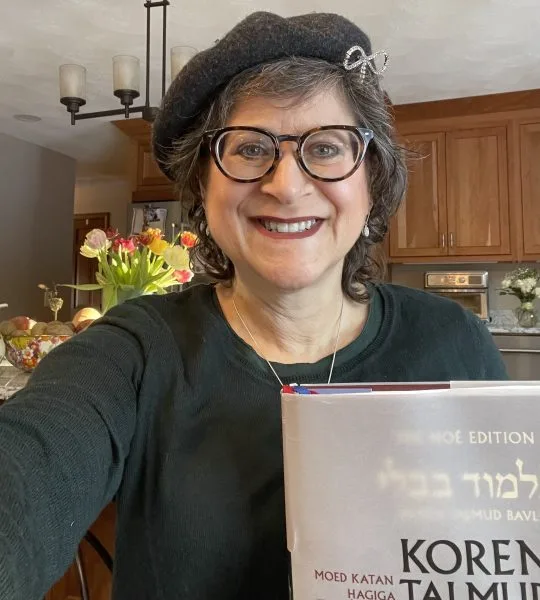
Warwick, Rhode Island, United States
It happened without intent (so am I yotzei?!) – I watched the women’s siyum live and was so moved by it that the next morning, I tuned in to Rabbanit Michelle’s shiur, and here I am, still learning every day, over 2 years later. Some days it all goes over my head, but others I grasp onto an idea or a story, and I ‘get it’ and that’s the best feeling in the world. So proud to be a Hadran learner.

Zichron Yaakov, Israel
I started learning at the beginning of this Daf Yomi cycle because I heard a lot about the previous cycle coming to an end and thought it would be a good thing to start doing. My husband had already bought several of the Koren Talmud Bavli books and they were just sitting on the shelf, not being used, so here was an opportunity to start using them and find out exactly what was in them. Loving it!

Borehamwood, United Kingdom

Jerusalem, Israel
In my Shana bet at Migdal Oz I attended the Hadran siyum hash”as. Witnessing so many women so passionate about their Torah learning and connection to God, I knew I had to begin with the coming cycle. My wedding (June 24) was two weeks before the siyum of mesechet yoma so I went a little ahead and was able to make a speech and siyum at my kiseh kallah on my wedding day!

Givat Shmuel, Israel
Having never learned Talmud before, I started Daf Yomi in hopes of connecting to the Rabbinic tradition, sharing a daily idea on Instagram (@dafyomiadventures). With Hadran and Sefaria, I slowly gained confidence in my skills and understanding. Now, part of the Pardes Jewish Educators Program, I can’t wait to bring this love of learning with me as I continue to pass it on to my future students.

Pennsylvania, United States
A Gemara shiur previous to the Hadran Siyum, was the impetus to attend it.It was highly inspirational and I was smitten. The message for me was התלמוד בידינו. I had decided along with my Chahsmonaim group to to do the daf and take it one daf at time- without any expectations at all. There has been a wealth of information, insights and halachik ideas. It is truly exercise of the mind, heart & Soul
Hashmonaim, Israel
As Jewish educator and as a woman, I’m mindful that Talmud has been kept from women for many centuries. Now that we are privileged to learn, and learning is so accessible, it’s my intent to complete Daf Yomi. I am so excited to keep learning with my Hadran community.
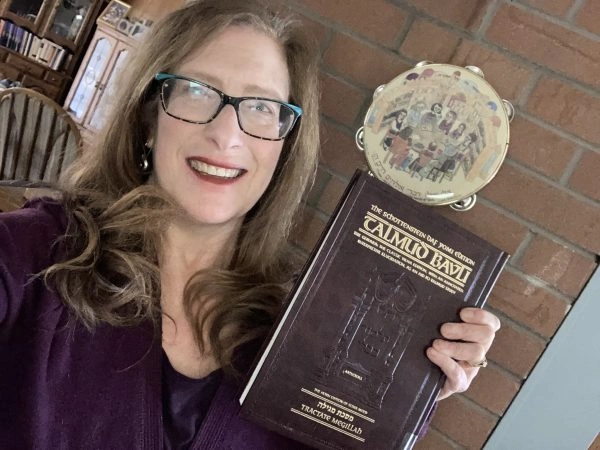
Denver, United States
I heard about the syium in January 2020 & I was excited to start learning then the pandemic started. Learning Daf became something to focus on but also something stressful. As the world changed around me & my family I had to adjust my expectations for myself & the world. Daf Yomi & the Hadran podcast has been something I look forward to every day. It gives me a moment of centering & Judaism daily.

Denver, United States
Phoenix, Arizona, United States
I started learning Jan 2020 when I heard the new cycle was starting. I had tried during the last cycle and didn’t make it past a few weeks. Learning online from old men didn’t speak to my soul and I knew Talmud had to be a soul journey for me. Enter Hadran! Talmud from Rabbanit Michelle Farber from a woman’s perspective, a mother’s perspective and a modern perspective. Motivated to continue!

Brentwood, California, United States
I had never heard of Daf Yomi and after reading the book, The Weight of Ink, I explored more about it. I discovered that it was only 6 months before a whole new cycle started and I was determined to give it a try. I tried to get a friend to join me on the journey but after the first few weeks they all dropped it. I haven’t missed a day of reading and of listening to the podcast.

Elkins Park, United States
Inspired by Hadran’s first Siyum ha Shas L’Nashim two years ago, I began daf yomi right after for the next cycle. As to this extraordinary journey together with Hadran..as TS Eliot wrote “We must not cease from exploration and the end of all our exploring will be to arrive where we began and to know the place for the first time.

Jerusalem, Israel
In early 2020, I began the process of a stem cell transplant. The required extreme isolation forced me to leave work and normal life but gave me time to delve into Jewish text study. I did not feel isolated. I began Daf Yomi at the start of this cycle, with family members joining me online from my hospital room. I’ve used my newly granted time to to engage, grow and connect through this learning.

Worcester, United States
I started to listen to Michelle’s podcasts four years ago. The minute I started I was hooked. I’m so excited to learn the entire Talmud, and think I will continue always. I chose the quote “while a woman is engaged in conversation she also holds the spindle”. (Megillah 14b). It reminds me of all of the amazing women I learn with every day who multi-task, think ahead and accomplish so much.
Zichron Yakov, Israel
I started my Daf Yomi journey at the beginning of the COVID19 pandemic.

Los Angeles, United States
Having never learned Talmud before, I started Daf Yomi in hopes of connecting to the Rabbinic tradition, sharing a daily idea on Instagram (@dafyomiadventures). With Hadran and Sefaria, I slowly gained confidence in my skills and understanding. Now, part of the Pardes Jewish Educators Program, I can’t wait to bring this love of learning with me as I continue to pass it on to my future students.
Pennsylvania, United States
In January 2020, my chevruta suggested that we “up our game. Let’s do Daf Yomi” – and she sent me the Hadran link. I lost my job (and went freelance), there was a pandemic, and I am still opening the podcast with my breakfast coffee, or after Shabbat with popcorn. My Aramaic is improving. I will need a new bookcase, though.
Atlanta, Georgia, United States

Berlin, Germany
Menachot 107
מוּרְאָה וְנוֹצָה.
the crop and feathers, which are thrown on the ground next to the altar and are not burned.
וְהָאִיכָּא נְסָכִים, לַשִּׁיתִין אָזְלִי.
The Gemara asks: But aren’t there wine libations, which are poured entirely onto the altar? The Gemara answers that the wine is not actually poured onto the altar; it is poured into ducts on the side of the altar and goes down to the drainpipes.
וְהָאִיכָּא מִנְחַת נְסָכִים? כֵּיוָן דְּאִיכָּא מִנְחָה דְּאָכְלִי כֹּהֲנִים מִינַּהּ, לָא פְּסִיקָא לֵיהּ.
The Gemara asks: But isn’t there a meal offering brought with libations, which is entirely burned on the altar? The Gemara answers that when one says: It is incumbent upon me to bring to the altar, his intent is clearly to bring a type of offering that is only sacrificed on the altar. A meal offering brought with libations is a type of meal offering. Therefore, since there are other types of a meal offering from which the priests eat, after a handful has been removed from it and burned, a meal offering brought with libations is not a clear example of an offering that is sacrificed on the altar in its entirety, and certainly was not his intent. Therefore, his intent must have been to bring frankincense.
״הֲרֵי עָלַי זָהָב״ – לֹא יִפְחוֹת מִדִּינַר זָהָב. וְדִלְמָא נְסָכָא? אָמַר רַבִּי אֶלְעָזָר: דְּאָמַר ״מַטְבֵּעַ״. וְדִלְמָא פְּרִיטֵי? אָמַר רַב פָּפָּא: פְּרִיטֵי דְּדַהֲבָא לָא עָבְדִי אִינָשֵׁי.
§ The mishna teaches that one who says: It is incumbent upon me to donate gold to the Temple treasury, must donate no less than a gold dinar. The Gemara challenges: But perhaps his intention in using the word gold is not to a coin at all, but to a small piece [naskha] of gold. Rabbi Elazar said: The case of the baraita is where he said the word coin. The Gemara challenges further: But perhaps his intention is not to a dinar, but to smaller coins, such as perutot. Rav Pappa said: People do not make perutot of gold. Therefore, it is unlikely that this was his intent.
״כֶּסֶף״ – לֹא יִפְחוֹת מִדִּינָר. וְדִלְמָא נְסָכָא? אָמַר רַבִּי אֶלְעָזָר: דְּאָמַר ״מַטְבֵּעַ״, וְדִלְמָא פְּרִיטֵי? אָמַר רַב שֵׁשֶׁת: בְּאַתְרָא דְּלָא סָגוּ פְּרִיטֵי דְכַסְפָּא.
§ The mishna teaches that one who says: It is incumbent upon me to donate silver to the Temple maintenance, must donate no less than the value of a silver dinar. The Gemara challenges: But perhaps his intention in using the word silver is not to a coin at all, but to a small piece of silver. Rabbi Elazar said: The case of the baraita is where he said the word coin. The Gemara challenges further: But perhaps his intention is not to a dinar, but to smaller coins, such as perutot. Rav Pappa said: The halakha of the baraita is stated with regard to a place where silver perutot do not circulate.
״נְחוֹשֶׁת״ – לֹא יִפְחוֹת מִמָּעָה כֶּסֶף. תַּנְיָא: רַבִּי אֱלִיעֶזֶר בֶּן יַעֲקֹב אוֹמֵר – לֹא יִפְחוֹת מִצִּינּוֹרָא קְטַנָּה שֶׁל נְחֹשֶׁת. לְמַאי חַזְיָא? אָמַר אַבָּיֵי: שֶׁמְּחַטְּטִין בָּהּ פְּתִילוֹת, וּמְקַנְּחִין בָּהּ נֵרוֹת.
§ The mishna teaches that one who says: It is incumbent upon me to donate copper to the Temple maintenance, must donate no less than the value of a silver ma’a. It is taught in a baraita that Rabbi Eliezer ben Ya’akov says: He must donate no less than the amount needed to forge a small copper hook. The Gemara asks: For what use is that suitable in the Temple? Abaye said: They scrape the wicks from the Candelabrum with it and clean the lamps of the Candelabrum with it.
בַּרְזֶל, תַּנְיָא, אֲחֵרִים אוֹמְרִים: לֹא יִפְחוֹת מִכָּלְיָה עוֹרֵב, וְכַמָּה? אָמַר רַב יוֹסֵף: אַמָּה עַל אַמָּה.
The mishna discusses pledges of gold, silver, and copper. What is the halakha if one says: It is incumbent upon me to donate iron? It is taught in a baraita that others say: He must donate no less than the amount that can be made into a base and spike designed to eliminate the ravens [mikkalya orev]. The Gemara asks: And how much is that? Rav Yosef said: One cubit in width by one cubit in length.
אִיכָּא דְאָמְרִי: לֹא יִפְחוֹת מֵאַמָּה עַל אַמָּה. לְמַאי חַזְיָא? אָמַר רַב יוֹסֵף: לְכָלְיָה עוֹרֵב.
There are those who say another version of this baraita and the subsequent explanation: One who pledges to donate iron must donate no less than one cubit in width by one cubit in length. The Gemara asks: For what is this amount of iron suitable? Rav Yosef said: It is suitable for a base and spike designed to eliminate the ravens.
מַתְנִי׳ ״הֲרֵי עָלַי יַיִן״ – לֹא יִפְחוֹת מִשְּׁלֹשָׁה לוּגִּין, ״שֶׁמֶן״ – לֹא יִפְחוֹת מִלּוֹג, רַבִּי אוֹמֵר: שְׁלֹשָׁה לוּגִּין.
MISHNA: One who says: It is incumbent upon me to bring a libation of wine, must bring no less than three log, as that is the minimum amount of wine brought as a libation accompanying an animal offering. One who says: It is incumbent upon me to bring oil, must bring no less than a log, as the smallest meal offering includes one log of oil. Rabbi Yehuda HaNasi says: He must bring no less than three log, as that is the amount of oil in the meal offering that accompanies the sacrifice of a lamb, which is the smallest amount in any of the meal offerings that accompany the sacrifice of an animal.
״פֵּירַשְׁתִּי, וְאֵינִי יוֹדֵעַ מָה פֵּירַשְׁתִּי״ – יָבִיא כְּיוֹם מְרוּבֶּה.
One who says: I specified how many log I vowed to bring but I do not know what amount I specified, must bring an amount of oil equivalent to the amount brought on the day that the largest amount of oil is sacrificed in the Temple.
גְּמָ׳ תָּנוּ רַבָּנַן: ״אֶזְרָח״ – מְלַמֵּד שֶׁמִּתְנַדְּבִין יַיִן, וְכַמָּה? שְׁלֹשָׁה לוּגִּין.
GEMARA: The Torah states with regard to libations: “All that are native born shall do these things in this manner, in presenting an offering made by fire, of a pleasing aroma to the Lord” (Numbers 15:13). As this verse is superfluous, the various terms in it are used to derive halakhot. The term “native born” teaches that one may pledge libations independently, even when they are not sacrificed together with an offering. And how much is the minimum size that is offered? Three log, which is the smallest measurement of a libation in the Torah and is offered with a lamb.
וּמִנַּיִן שֶׁאִם רָצָה לְהוֹסִיף יוֹסִיף? תַּלְמוּד לוֹמַר ״יִהְיֶה״. יָכוֹל יִפְחוֹת? תַּלְמוּד לוֹמַר ״כָּכָה״.
And from where is it derived that if one desires to add to this amount, he may add to it? The verse states with regard to libations associated with the additional offerings for the New Moon: “And their libations: Half a hin of wine shall be for the bull, and the third part of a hin for the ram, and the fourth part of a hin for the lamb (Numbers 28:14). From the superfluous “shall be” one may understand that there are other amounts of wine that may be brought as independent libations. One might have thought that he can decrease the amount of wine in a libation to less than three log. Therefore, the verse states: “All that are native born shall do these things, in this manner” (Numbers 15:13), i.e., one may not bring less than three log of wine.
שֶׁמֶן – לֹא יִפְחוֹת מִן הַלּוֹג, רַבִּי אוֹמֵר: שְׁלֹשָׁה לוּגִּין. בְּמַאי קָא מִיפַּלְגִי?
The mishna teaches that if one said: It is incumbent upon me to bring oil, he must bring no less than a log, as the smallest meal offering includes a log of oil. Rabbi Yehuda HaNasi says: He must bring no less than three log. The Gemara asks: With regard to what principle do they disagree?
אַמְרוּהָ רַבָּנַן קַמֵּיהּ דְּרַב פָּפָּא: בְּדוּן מִינַּהּ וּמִינַּהּ, בְּדוּן מִינַּהּ וְאוֹקֵים בְּאַתְרַהּ – קָא מִיפַּלְגִי.
The Sages said before Rav Pappa: The Rabbis and Rabbi Yehuda HaNasi disagree with regard to the proper method of logical derivation when deriving the halakha with regard to one matter from the halakha with regard to another matter. One opinion holds that the proper method is to infer from it, and again from it, i.e., equate the two cases in all aspects, while the other holds that the comparison extends only to one specific issue derived from the primary case, in accordance with the principle: Infer from it but interpret the halakha according to its own place, i.e., in all other aspects the cases are not equated.
רַבָּנַן סָבְרִי: דּוּן מִינַּהּ וּמִינַּהּ, מָה מִנְחָה מִתְנַדְּבִין – אַף שֶׁמֶן נָמֵי מִתְנַדְּבִין, וּמִינַּהּ: מָה מִנְחָה בְּלוֹג – אַף שֶׁמֶן בְּלוֹג.
The Sages explained: The Rabbis hold by the principle: Infer from it, and again from it. The Gemara explains the application of this principle: Just as a meal offering is contributed, so too oil is contributed, as inferred from the verse addressing the meal offering. And again one infers from this source: Just as a meal offering requires a log of oil, so too here, an offering of oil alone must be a log of oil.
וְרַבִּי סָבַר: דּוּן מִינַּהּ וְאוֹקֵי בְּאַתְרַהּ, מָה מִנְחָה מִתְנַדְּבִין, אַף שֶׁמֶן נָמֵי מִתְנַדְּבִין, וְאוֹקֵי בְּאַתְרַהּ כִּנְסָכִים, מָה נְסָכִים שְׁלֹשֶׁת לוּגִּין, אַף שֶׁמֶן נָמֵי שְׁלֹשֶׁת לוּגִּין.
And Rabbi Yehuda HaNasi holds that the proper method is to infer from it but interpret the halakha according to its own place: Just as a meal offering is contributed, so too oil is contributed. But with regard to all other aspects of this halakha, interpret the halakha according to its own place, and its status is like that of libations, which are similar to oil in that they are also poured onto the altar: Just as one contributes libations of three log, so too when one contributes oil, one contributes three log.
אֲמַר לְהוּ רַב פָּפָּא: אִי מִמִּנְחָה גָּמַר לַהּ רַבִּי, דְּכוּלֵּי עָלְמָא לָא פְּלִיגִי דּוּן מִינַּהּ וּמִינַּהּ, אֶלָּא רַבִּי מֵ״אֶזְרָח״ גְּמִיר לַהּ.
Rav Pappa said to the Sages who suggested this interpretation: If Rabbi Yehuda HaNasi derived the source of the gift offering of oil from the verse addressing the meal offering, he would not disagree with the Rabbis, as everyone employs the principle of: Infer from it, and again from it. Rather, Rabbi Yehuda HaNasi derives the gift offering of oil from a verse concerning libations: “All that are native born shall do these things in this manner, in presenting an offering made by fire” (Numbers 15:13). Rabbi Yehuda HaNasi derives from here that just as one may contribute wine libations, so too one may contribute oil. Therefore, Rabbi Yehuda HaNasi compares oil to wine libations: Just as one contributes libations of three log, so too one contributes three log of oil.
אֲמַר לֵיהּ רַב הוּנָא בְּרֵיהּ דְּרַב נָתָן לְרַב פָּפָּא: וּמִי מָצֵית אָמְרַתְּ הָכִי? וְהָתַנְיָא: ״קׇרְבָּן״ – מְלַמֵּד שֶׁמִּתְנַדְּבִין שֶׁמֶן, וְכַמָּה? שְׁלֹשֶׁת לוּגִּין. מַאן שָׁמְעַתְּ לֵיהּ דְּאָמַר שְׁלֹשֶׁת לוּגִּין? רַבִּי, וְקָא מַיְיתֵי לַהּ מִ״קׇּרְבָּן״. אֲמַר לֵיהּ: אִי תַּנְיָא תַּנְיָא.
Rav Huna, son of Rav Natan, said to Rav Pappa: And how can you say that according to Rabbi Yehuda HaNasi the source of the gift offering of oil is not from the meal offering? But isn’t it taught in a baraita with regard to the verse: “And when one brings a meal offering [korban minḥa]” (Leviticus 2:1), that the superfluous word korban teaches that one may contribute oil. And how much must one contribute? Three log. The Gemara explains the question: Who did you hear that says the gift offering of oil is three log? This is the opinion of Rabbi Yehuda HaNasi, and yet he cites the source of the gift offering of oil from the word korban, which is referring to a meal offering. Rav Pappa said to him: If this baraita is taught, it is taught, and I cannot take issue with it.
״פֵּירַשְׁתִּי, וְאֵינִי יוֹדֵעַ מָה פֵּירַשְׁתִּי״ – יָבִיא כְּיוֹם מְרוּבֶּה. תְּנָא: כְּיוֹם טוֹב הָרִאשׁוֹן שֶׁל חַג שֶׁחָל לִהְיוֹת בַּשַּׁבָּת.
The mishna teaches that one who says: I specified how many log I vowed to bring but I do not know what number I specified, must bring an amount of oil equivalent to the amount brought on the day that the largest amount of oil is sacrificed in the Temple. The Sages taught: He must bring an amount of oil equivalent to the amount that is brought on the first day of the Festival, i.e., Sukkot, when it occurs on Shabbat. The offerings brought on that day include the additional offerings for Sukkot and also the additional offerings for Shabbat, and the total amount of oil brought on that day is 140 log.
מַתְנִי׳ ״הֲרֵי עָלַי עוֹלָה״ – יָבִיא כֶּבֶשׂ. רַבִּי אֶלְעָזָר בֶּן עֲזַרְיָה אוֹמֵר: אוֹ תּוֹר אוֹ בֶּן יוֹנָה.
MISHNA: One who says: It is incumbent upon me to bring a burnt offering, must bring a lamb, which is the least expensive land animal sacrificed as an offering. Rabbi Elazar ben Azarya says: He may bring either a dove or a pigeon, as a bird burnt offering.
״פֵּירַשְׁתִּי מִן הַבָּקָר, וְאֵינִי יוֹדֵעַ מָה פֵּירַשְׁתִּי״ – יָבִיא פַּר וְעֵגֶל. ״מִן הַבְּהֵמָה, וְאֵינִי יוֹדֵעַ מָה פֵּירַשְׁתִּי״ – יָבִיא פַּר וְעֵגֶל, אַיִל, שָׂעִיר, גְּדִי וְטָלֶה. ״פֵּירַשְׁתִּי, וְאֵינִי יוֹדֵעַ מָה פֵּירַשְׁתִּי״ –
One who says: I vowed to bring a burnt offering, and I specified that it would be from the herd, but I do not know what animal I specified, must bring a bull and a male calf, as a burnt offering is brought only from male animals. One who says: I vowed to bring a burnt offering and I specified that it would be from the animals but I do not know what animal I specified, must bring a bull and a male calf, a ram, a large male goat, a small male goat, and a male lamb. One who says: I vowed to bring a burnt offering, and I specified what type of burnt offering it would be, but I do not know what I specified,
מוֹסִיף עֲלֵיהֶן תּוֹר וּבֶן יוֹנָה.
adds a dove and a pigeon to the previous list.
״הֲרֵי עָלַי תּוֹדָה וּשְׁלָמִים״ – יָבִיא כֶּבֶשׂ. ״פֵּירַשְׁתִּי מִן בָּקָר, וְאֵינִי יוֹדֵעַ מָה פֵּירַשְׁתִּי״ – יָבִיא פַּר וּפָרָה, עֵגֶל וְעֶגְלָה. ״מִן הַבְּהֵמָה, וְאֵינִי יוֹדֵעַ מָה פֵּירַשְׁתִּי״ – יָבִיא פַּר וּפָרָה, עֵגֶל וְעֶגְלָה, אַיִל וּרְחֵלָה, שָׂעִיר וּשְׂעִירָה, גְּדִי וּגְדִיָּיה, טָלֶה וְטַלְיָיה.
One who says: It is incumbent upon me to bring a thanks offering and a peace offering, must bring a lamb, which is the least expensive land animal sacrificed as an offering. One who says: I vowed to bring a peace offering and I specified that it would be from the herd but I do not know what animal I specified, must bring a bull and a cow, and a male calf and a female calf. One who says: I vowed to bring a burnt offering and specified that it would be from the animals, but I do not know what animal I specified, must bring a bull and a cow, a male calf and a female calf, a ram and a ewe, a large, i.e., adult, male goat and a large female goat, a small, i.e., young, male goat and a small female goat, and a male lamb and a female lamb.
״הֲרֵי עָלַי שׁוֹר״ – יָבִיא הוּא וּנְסָכָיו בְּמָנֶה, ״עֵגֶל״ – יָבִיא הוּא וּנְסָכָיו בְּחָמֵשׁ, ״אַיִל״ – יָבִיא הוּא וּנְסָכָיו בִּשְׁתַּיִם, ״כֶּבֶשׂ״ – יָבִיא הוּא וּנְסָכָיו בְּסֶלַע.
One who says: It is incumbent upon me to bring a bull as a burnt offering or peace offering, must bring the bull, its accompanying meal offering, and its libations, with the total value of one hundred dinars. One who says: It is incumbent upon me to bring a calf, must bring the calf, its accompanying meal offering, and its libations, with the total value of five sela, which equal twenty dinars. One who says: It is incumbent upon me to bring a ram, must bring the ram, its accompanying meal offering, and its libations, with the value of two sela, which equal eight dinars. One who says: It is incumbent upon me to bring a lamb, must bring the lamb, its accompanying meal offering, and its libations, with the value of one sela, which equals four dinars.
״שׁוֹר בְּמָנֶה״ – יָבִיא בְּמָנֶה, חוּץ מִנְּסָכָיו. ״עֵגֶל בְּחָמֵשׁ״ – יָבִיא בְּחָמֵשׁ, חוּץ מִנְּסָכָיו. ״אַיִל בִּשְׁתַּיִם״ – יָבִיא בִּשְׁתַּיִם, חוּץ מִנְּסָכָיו. ״כֶּבֶשׂ בְּסֶלַע״ – יָבִיא בַּסֶּלַע, חוּץ מִנְּסָכָיו.
One who says: It is incumbent upon me to bring a bull with the value of one hundred dinars as a burnt offering or peace offering, must bring the bull with the value of one hundred dinars excluding its accompanying meal offering and libations. One who says: It is incumbent upon me to bring a calf with the value of five sela as a burnt offering or peace offering, must bring the calf with the value of five sela excluding its accompanying meal offering and libations. One who says: It is incumbent upon me to bring a ram with the value of two sela as a burnt offering or peace offering, must bring the ram with the value of two sela excluding its accompanying meal offering and libations. One who says: It is incumbent upon me to bring a lamb with the value of one sela as a burnt offering or peace offering, must bring the lamb with the value of one sela excluding its accompanying meal offering and libations.
״שׁוֹר בְּמָנֶה״, וְהֵבִיא שְׁנַיִם בְּמָנֶה – לֹא יָצָא, וַאֲפִילּוּ זֶה בְּמָנֶה חָסֵר דִּינָר וְזֶה בְּמָנֶה חָסֵר דִּינָר.
If one said: It is incumbent upon me to bring a bull with the value of one hundred dinars as a burnt offering or peace offering, and he brought two bulls with a combined value of one hundred dinars, he has not fulfilled his obligation. And that is the halakha even if this bull has the value of one hundred dinars less one dinar and that bull has the value of one hundred dinars less one dinar.
״שָׁחוֹר״ וְהֵבִיא לָבָן, ״לָבָן״ וְהֵבִיא שָׁחוֹר, ״גָּדוֹל״ וְהֵבִיא קָטָן – לֹא יָצָא. ״קָטָן״ וְהֵבִיא גָּדוֹל – יָצָא. רַבִּי אוֹמֵר: לֹא יָצָא.
If one said: It is incumbent upon me to bring a black bull, and he brought a white bull; or said: It is incumbent upon me to bring a white bull, and he brought a black bull; or said: It is incumbent upon me to bring a large bull, and he brought a small bull, in all these cases he has not fulfilled his obligation. But if he said: It is incumbent upon me to bring a small bull, and he brought a large bull, he has fulfilled his obligation, as the value of a small bull is included in the value of a large bull. Rabbi Yehuda HaNasi says: He has not fulfilled his obligation, as the offering that he brought did not correspond to his vow.
גְּמָ׳ וְלָא פְּלִיגִי, מָר כִּי אַתְרֵיהּ וּמָר כִּי אַתְרֵיהּ.
GEMARA: The mishna teaches that if one vows to bring a burnt offering and does not specify which animal he will bring, according to the first tanna he must bring a lamb, and according to Rabbi Elazar ben Azarya he may bring a dove or a pigeon. The Gemara explains: And they do not disagree in principle. This Sage rules in accordance with the custom of his locale, and that Sage rules in accordance with the custom of his locale. In the locale of the first tanna, when people would say: Burnt offering, they would be referring to a land animal, whereas in the locale of Rabbi Elazar ben Azarya, when people would say: Burnt offering, they would also be referring to a bird.
תָּנוּ רַבָּנַן: ״הֲרֵי עָלַי עוֹלָה בְּסֶלַע לַמִּזְבֵּחַ״ – יָבִיא כֶּבֶשׂ, שֶׁאֵין לְךָ דָּבָר שֶׁקָּרֵב בְּסֶלַע לְגַבֵּי מִזְבֵּחַ אֶלָּא כֶּבֶשׂ. ״שֶׁקָּרֵב בְּסֶלַע פֵּירַשְׁתִּי, וְאֵינִי יוֹדֵעַ מָה פֵּירַשְׁתִּי״ – יָבִיא מִכׇּל דָּבָר שֶׁקָּרֵב בְּסֶלַע לְגַבֵּי מִזְבֵּחַ.
The Sages taught in a baraita: One who says: It is incumbent upon me to bring a burnt offering with the value of one sela for the altar, must bring a lamb; as you have no animal that is sacrificed on the altar and has the value of one sela but a lamb. One who says: When I made my vow I specified that I will bring an item that is sacrificed on the altar and has the value of one sela, but I do not know what I specified, must bring one of every animal that is sacrificed on the altar and has the value of one sela. Although this condition generally indicates a lamb, since the person specified a particular animal but does not remember which, one cannot be certain that he specified a lamb.
״פֵּירַשְׁתִּי מִן הַבָּקָר, וְאֵינִי יוֹדֵעַ מָה פֵּירַשְׁתִּי״ – יָבִיא פָּר וְעֵגֶל. אַמַּאי? וְלַיְתֵי פַּר, מִמָּה נַפְשָׁךְ!
§ The mishna teaches that if one says: I vowed to bring a peace offering, and I specified that it would be from the herd, but I do not know what animal I specified, he must bring a bull and a calf. The Gemara asks: Why? Let him bring a bull, as whichever way you look at it he has fulfilled his vow. If he vowed to bring a bull, he has done so. If he vowed to bring a calf, he has fulfilled his vow, because the value of a calf is included in the value of a bull.
הָא מַנִּי? רַבִּי הִיא, דְּאָמַר: קָטָן וְהֵבִיא גָּדוֹל – לֹא יָצָא.
The Gemara answers: In accordance with whose opinion is this? It is in accordance with the opinion of Rabbi Yehuda HaNasi, who said that if one said: It is incumbent upon me to bring a small bull, and he brought a large bull, he has not fulfilled his obligation.
אִי רַבִּי, אֵימָא סֵיפָא: ״שׁוֹר בְּמָנֶה״ וְהֵבִיא שְׁנַיִם בְּמָנֶה – לֹא יָצָא, וַאֲפִילּוּ זֶה בְּמָנֶה חָסֵר דִּינָר וְזֶה בְּמָנֶה חָסֵר דִּינָר.
The Gemara asks: If the mishna is in accordance with the opinion of Rabbi Yehuda HaNasi, say the latter clause of the mishna: If one said: It is incumbent upon me to bring a bull with the value of one hundred dinars, and he brought two bulls with the combined value of one hundred dinars, he has not fulfilled his obligation, and that is the halakha even if this bull has the value of one hundred dinars less one dinar and that bull has the value of one hundred dinars less one dinar.
״שָׁחוֹר״ וְהֵבִיא לָבָן, ״לָבָן״ וְהֵבִיא שָׁחוֹר, ״גָּדוֹל״ וְהֵבִיא קָטָן – לֹא יָצָא, ״קָטָן״ וְהֵבִיא גָּדוֹל – יָצָא, רַבִּי אוֹמֵר: לֹא יָצָא.
If one said: It is incumbent upon me to bring a black bull, and he brought a white bull; or said: It is incumbent upon me to bring a white bull, and he brought a black bull; or said: It is incumbent upon me to bring a large bull, and he brought a small bull, in all these cases he has not fulfilled his obligation. But if he said: It is incumbent upon me to bring a small bull, and he brought a large bull, he has fulfilled his obligation, as the value of a small bull is included in the value of a large bull. Rabbi Yehuda HaNasi says: He has not fulfilled his obligation, as the offering that he brought did not correspond to his vow.
רֵישָׁא וְסֵיפָא – רַבִּי, וּמְצִיעֲתָא – רַבָּנַן.
If the first clause, which teaches that one who vowed to bring an offering from the herd must bring both a bull and a calf, is in accordance with the opinion of Rabbi Yehuda HaNasi, then it turns out that the first clause and the last clause are in accordance with the opinion of Rabbi Yehuda HaNasi, and the middle clause is in accordance with the opinion of the Rabbis. Can that be so?
אִין, רֵישָׁא וְסֵיפָא רַבִּי, מְצִיעֲתָא רַבָּנַן, וְהָכִי קָאָמַר: דָּבָר זֶה מַחְלוֹקֶת רַבִּי וְרַבָּנַן.
The Gemara answers: Yes, the first clause and the last clause are in accordance with the opinion of Rabbi Yehuda HaNasi, and the middle clause is in accordance with the opinion of the Rabbis. And this is what the mishna is saying: This matter, i.e., the ruling that one who vows to bring an offering from the herd must bring a bull and a calf, is not universally accepted. Rather, it is subject to a dispute between Rabbi Yehuda HaNasi and the Rabbis.
תְּנַן הָתָם: שִׁשָּׁה לִנְדָבָה, כְּנֶגֶד מִי? (סִימָן (קמ״ף) [קנ״ז] ש״ע.)
§ We learned in a mishna there (Shekalim 18b): There were six collection horns in the Temple for the collection of donations for communal gift offerings, i.e., burnt offerings that were sacrificed when the altar was idle. The Gemara asks: To what did these six horns correspond? The Gemara gives a mnemonic for the names of the five Sages who give answers to this question: Kuf, mem, peh, shin, ayin.
אָמַר חִזְקִיָּה: כְּנֶגֶד שִׁשָּׁה בָּתֵּי אָבוֹת הַכֹּהֲנִים, שֶׁתִּקְּנוּ לָהֶם חֲכָמִים שֶׁיְּהֵא שָׁלוֹם זֶה עִם זֶה.
Ḥizkiyya says: These six collection horns corresponded to the six extended patrilineal families of priests who served each week in the Temple. There was one collection horn for each family, which the Sages installed for them so that there would be peace between one another and they would not quarrel. The hides of the burnt offerings are given to the priests, and by keeping the money for the offerings sacrificed by each family separate, they would not come to quarrel over those hides.
רַבִּי יוֹחָנָן אָמַר: מִתּוֹךְ שֶׁהַנְּדָבָה מְרוּבָּה, תִּיקְּנוּ לָהֶם שׁוֹפָרוֹת מְרוּבִּין, כְּדֵי שֶׁלֹּא יִתְעַפְּשׁוּ הַמָּעוֹת.
Rabbi Yoḥanan says: Since the money for the communal gift offerings was plentiful, as much money was donated for this purpose, there was a concern that if too many coins were placed in one collection horn, only the uppermost coins would be taken and the bottom ones would deteriorate. Therefore, the Sages installed many collection horns for them, so that each horn would contain fewer coins and the coins would not decay.
וּזְעֵירִי אָמַר: כְּנֶגֶד פַּר וָעֵגֶל, אַיִל וָכֶבֶשׂ, גְּדִי וְשָׂעִיר, וְרַבִּי הִיא, דְּאָמַר: קָטָן וְהֵבִיא גָּדוֹל – לֹא יָצָא.
And Ze’eiri says: The six collection horns correspond to the six types of animals from which burnt offerings can be brought: A bull, a calf, a ram, a lamb, a small goat, and a large goat. And each type of animal required its own collection horn, because the mishna is in accordance with the opinion of Rabbi Yehuda HaNasi, who says that if one said: It is incumbent upon me to bring a small bull and he brought a large bull, he has not fulfilled his obligation, as the offering that he brought did not correspond to his vow.
וּבַר פְּדָא אָמַר: כְּנֶגֶד הַפָּרִים, וְהָאֵילִים,
And bar Padda says: The six collection horns correspond to the six types of animals from which sin offerings and guilt offerings can be brought. If an animal designated for a guilt offering or a communal sin offering was lost, another animal was consecrated in its stead, and then the first animal was found, the value of that animal is placed into one of these collection horns, and a communal gift offering is brought with it. One was for the value of the bulls brought as communal sin offerings. And one was for the value of the rams brought as guilt offerings for robbery or for misuse of consecrated property.

